


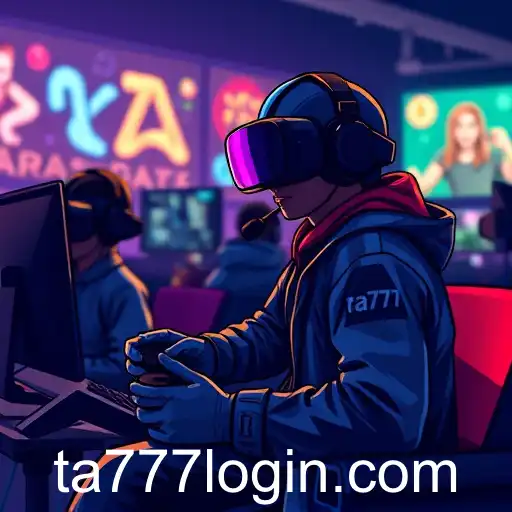
In recent years, online gaming has transcended from a mere pastime to a deeply woven social fabric that connects millions globally. Among the standout platforms carving out dynamic spaces for gamers is the ta777 website, a key player in shaping the digital gaming experience.
The ta777 platform, known for its expansive library and interactive community engagement, continues to adapt to evolving gamer needs. Not only does it offer a range of games that cater to different tastes, but it also fosters a community where players can connect, collaborate, and compete. In 2025, as virtual and augmented reality technologies become mainstream, platforms like ta777 are increasingly incorporating these elements, enhancing the immersive experience for their users.
This shift in the gaming landscape stems from a broader trend of digital transformation across industries. The COVID-19 pandemic underscored the importance of digital platforms, and game websites like ta777 gained prominence as centers for entertainment and socializing. As the world adapted to new normalities, these platforms became essential for maintaining connections, filling the void left by physical isolation.
Beyond entertainment, gaming communities are now seen as hubs of creativity and innovation. Through features like user-generated content and modding tools, players on ta777 can create personalized experiences, oftentimes leading to the viral dissemination of new game modes and ideas. This has not only enriched the gaming ecosystem but has also encouraged diverse voices and talents to emerge and thrive.
The influence of these online communities extends to economic impacts as well, with in-game commerce and streaming generating substantial revenue streams. As a result, ta777 and similar platforms are not just digital playgrounds but critical components of the global digital economy.
Looking forward, as technology advances and societal norms shift, the significance of such online communities will likely grow. For platforms like ta777, continuous innovation and the prioritization of user engagement remain essential to sustain their success and influence in the virtual realm.